Unlocking the Power of Platelet-Rich Plasma: A Guide to PRP Therapy for Musculoskeletal Healing
In the world of regenerative medicine, few treatments have garnered as much attention as Platelet-Rich Plasma (PRP) therapy. This innovative approach harnesses the body's own natural healing mechanisms to address injuries and chronic conditions.
Whether you're an athlete sidelined by a tendon tear or someone dealing with persistent joint pain, PRP might just be the game-changer you've been looking for.
In this blog post, we'll dive into what PRP is, how it works to stimulate healing, and its exciting potential applications in treating musculoskeletal pain and other related pathologies.
What is Platelet-Rich Plasma (PRP)?
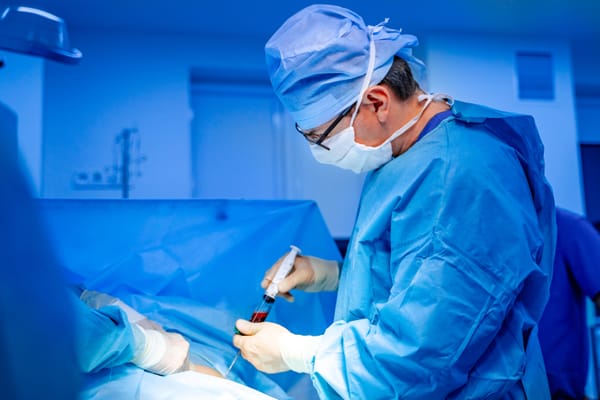
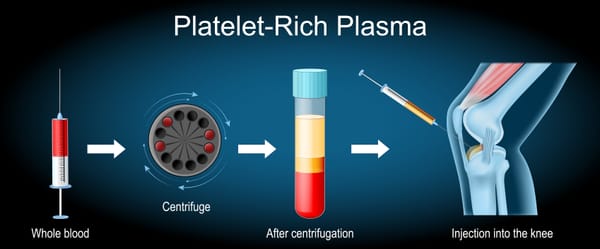
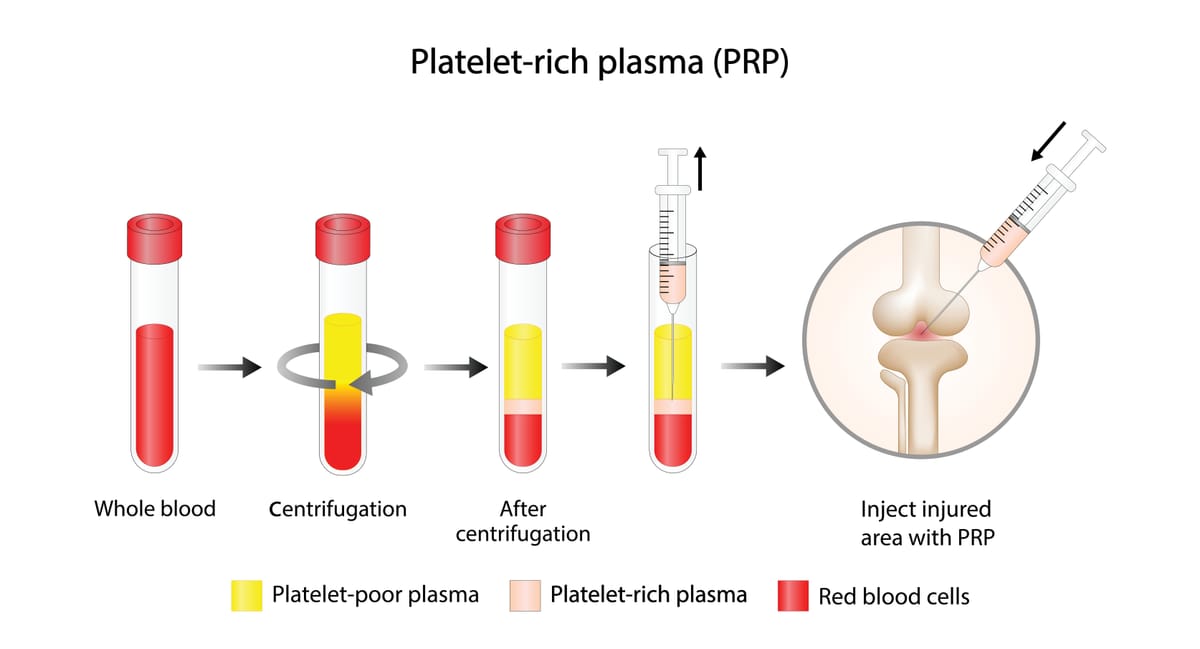
Platelet-Rich Plasma, often abbreviated as PRP, is a concentrated form of plasma derived from your own blood. The process begins with a simple blood draw, similar to a routine lab test. This blood is then placed in a centrifuge, a machine that spins at high speeds to separate its components. The result? A solution rich in platelets—tiny cell fragments that play a crucial role in blood clotting and wound healing.
What makes PRP special is its high concentration of platelets, which can be 5 to 10 times greater than in normal blood. These platelets are packed with growth factors, proteins, and cytokines—biological messengers that orchestrate the body's repair processes. PRP therapy takes your own blood, concentrates its healing properties, and reinjects it back into you to speed healing. It's autologous, meaning it comes from your body, which minimizes the risk of allergic reactions or rejection.
Unlike traditional treatments like painkillers or steroids, which often just mask symptoms, PRP aims to address the root cause by promoting tissue regeneration. It's a minimally invasive procedure, typically performed in an outpatient setting, and patients can often return to light activities shortly after.
How PRP Stimulates Healing
The magic of PRP lies in its ability to kickstart and amplify the body's natural healing cascade. When injected into an injured area, the concentrated platelets release a cocktail of growth factors, such as platelet-derived growth factor (PDGF), transforming growth factor-beta (TGF-β), and vascular endothelial growth factor (VEGF). These factors work together to attract stem cells, promote new blood vessel formation (angiogenesis), and encourage cell proliferation and differentiation.
Studies show that the increased concentration of growth factors in platelet-rich plasma may stimulate or speed up the healing process, shortening healing time. For instance, in damaged tissues like tendons or ligaments, PRP can reduce inflammation, enhance collagen production, and improve tissue strength. The platelets have healing properties, and a PRP injection can offer therapeutic benefits for musculoskeletal injuries and diseases that resist healing.
It is rich in growth factors (GFs) and cytokines that have been shown to initiate and promote healing by stimulating cell migration, cell proliferation. PRP promotes healing by triggering the body's natural repair processes; the growth factors released by the concentrated platelets help regenerate tissues. This can lead to faster recovery and potentially better outcomes compared to conservative treatments alone.
Potential Applications in Treating Musculoskeletal Pain and Pathologies
PRP therapy has shown promise across a wide range of musculoskeletal conditions, making it a versatile tool in orthopedic and sports medicine. Here's a look at some key applications:
- Tendon Injuries (Tendinopathies): Conditions like tennis elbow (lateral epicondylitis), Achilles tendinitis, or rotator cuff tears often respond well to PRP. It can speed up the healing process in injured tendons and joints. Clinical studies suggest PRP may shorten recovery time and enhance tissue repair in these areas.
- Osteoarthritis and Joint Pain: For degenerative joint diseases, PRP injections can reduce pain and improve function by promoting cartilage repair and reducing inflammation. It's particularly useful for knee, hip, and shoulder osteoarthritis, offering a non-surgical option for pain management.
- Ligament and Muscle Injuries: PRP may have significant potential in the treatment of pathological conditions of cartilage, tendon, ligament, and muscle. Athletes with sprains, strains, or partial tears might benefit from faster healing and reduced downtime.
- Bone Healing and Fractures: Some evidence indicates PRP can enhance bone strength, produce bone healing in a shorter time, and decrease wound complications. It's being explored for stress fractures or delayed union in bones.
- Chronic Pain Syndromes: PRP therapy at various institutions uses components of your own blood to treat orthopedic conditions that can cause pain and inflammation. This includes conditions like plantar fasciitis or chronic back pain related to musculoskeletal issues.
While results vary by individual and condition, many patients report reduced pain, improved mobility, and a quicker return to activities. However, it's worth noting that PRP is still considered experimental for some uses, and more large-scale studies are needed to fully establish its efficacy.
Wrapping It Up: Is PRP Right for You?
Platelet-Rich Plasma therapy represents a fascinating intersection of biology and medicine, offering a natural way to boost healing without relying on synthetic drugs or invasive surgery. From accelerating tendon repairs to alleviating joint pain, its applications in musculoskeletal health are expanding rapidly. If you're struggling with persistent pain or a slow-healing injury, consulting a healthcare professional about PRP could be a step toward recovery.
Remember, while PRP shows great promise, it's not a miracle cure for everyone. Always discuss options with your doctor to see if it fits your specific needs. Stay tuned for more updates on regenerative therapies—science is moving fast!
Disclaimer: This post is for informational purposes only and not a substitute for professional medical advice.